
Water Treatment News — Engineering Insights from Hiju
Technical guides from 28 engineers across five equipment families — RO, filtration, softening, disinfection, and desalination.
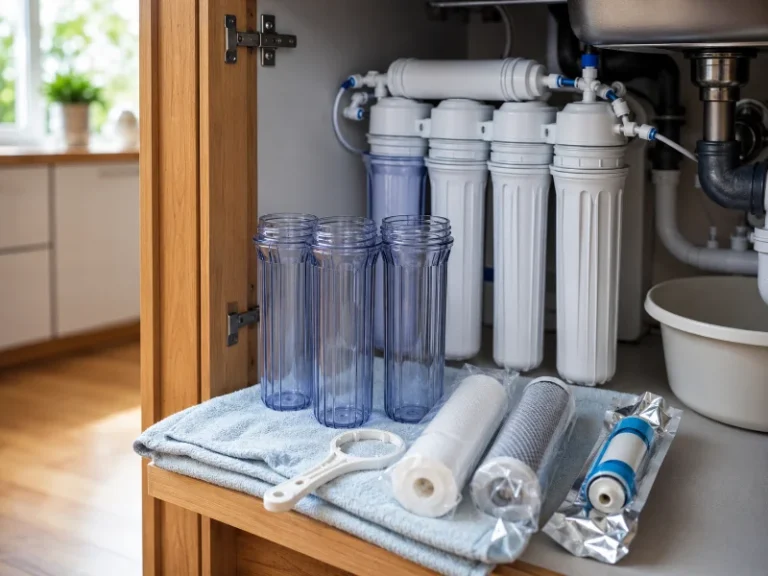
How Much Are Filters For Reverse Osmosis System?
Filters for a reverse osmosis system cost roughly $15 to $100 per cartridge at point-of-use scale. Most under-sink systems land between about…
Read article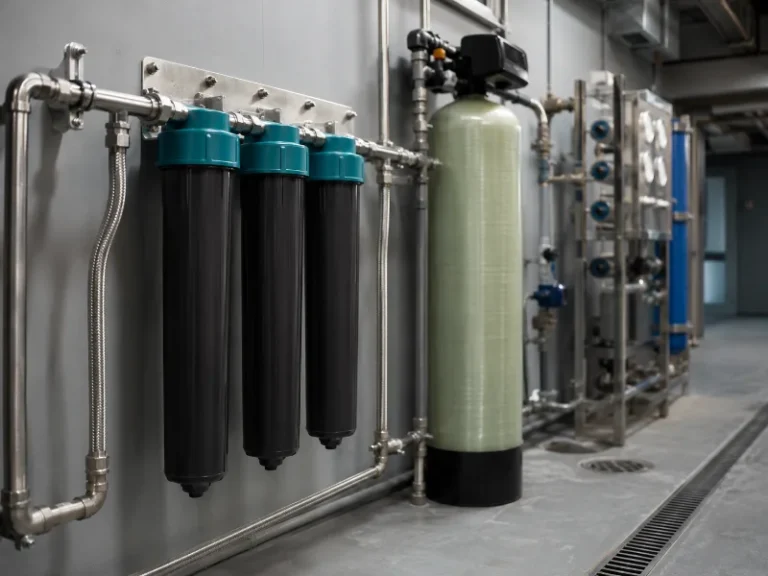
Types of Commercial Water Filters: What Each One Removes and Where It Belongs
The types of commercial water filters in foodservice and commercial buildings sort onto three axes: treatment mechanism, position in the plumbing, and…
Read article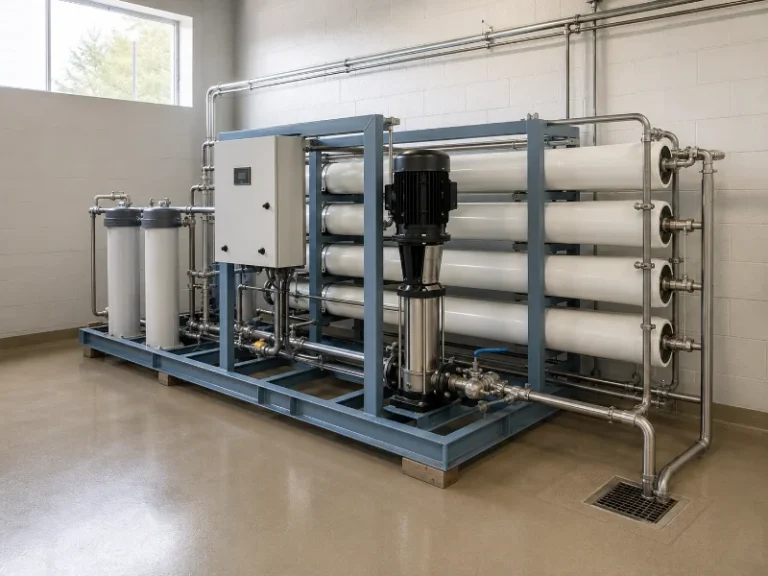
Best Commercial Reverse Osmosis System: How to Judge One Before You Buy
The best commercial reverse osmosis system for a site is the one sized to that site’s peak draw, feed water chemistry, and…
Read article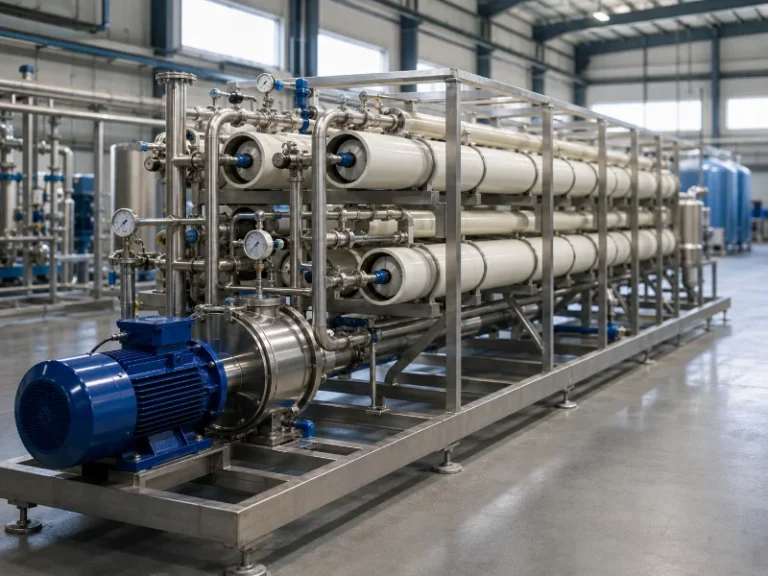
Brackish Water RO Design: Recovery Limits, Staging, and What to Verify
Brackish water RO design reconciles four constraints: required permeate flow and quality, feed water chemistry across its seasonal range, the hydraulic limits…
Read article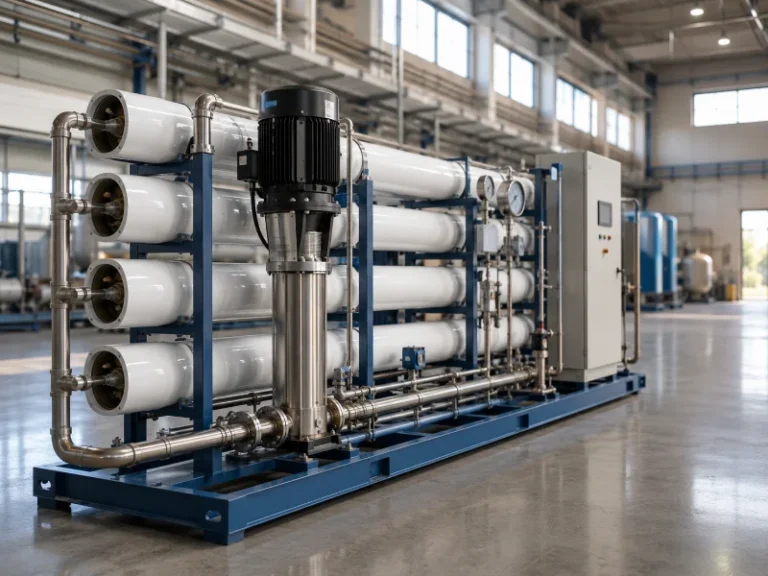
What Is the Best Filter for Brackish Water?
The best filter for brackish water is reverse osmosis in most industrial applications, though the choice depends on feed TDS, the ion…
Read article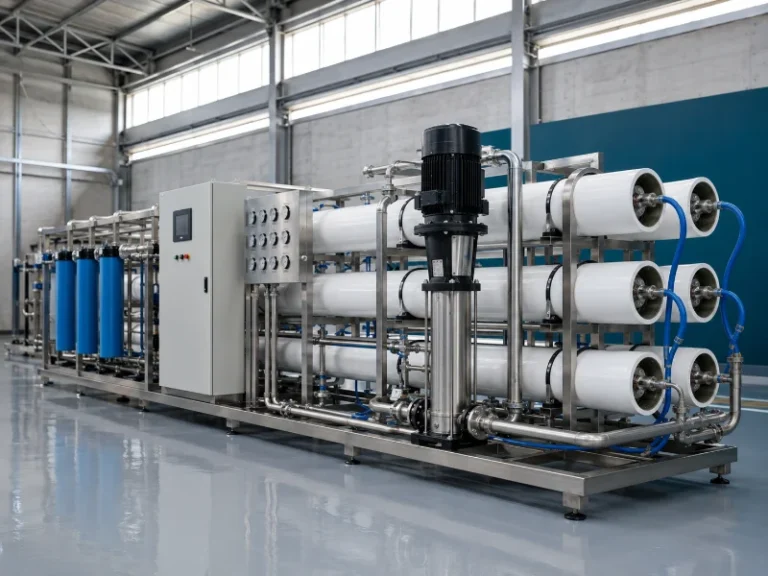
What Is Brackish Water Reverse Osmosis?
Brackish water reverse osmosis is reverse osmosis applied to feed water that sits between fresh water and seawater in dissolved solids. Which…
Read article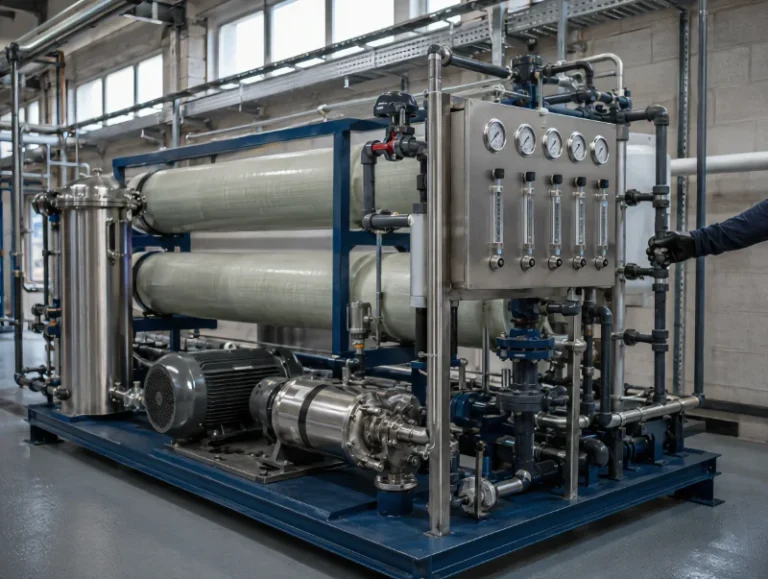
Industrial Reverse Osmosis System Maintenance: Daily Checks, CIP Triggers, and What Decides the Interval
Industrial reverse osmosis system maintenance covers instrument calibration, consumable replacement, membrane cleaning, and performance trending. The interval for each is set by…
Read article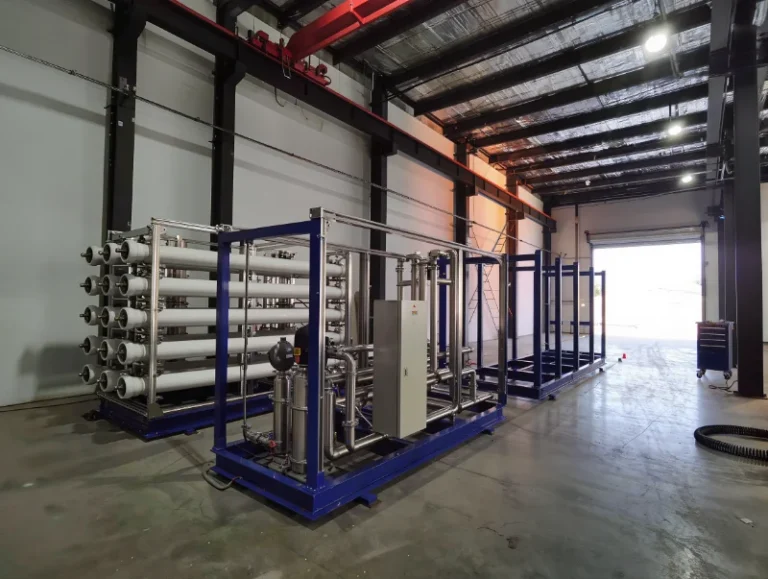
Top Industrial RO Manufacturers: 15 Suppliers by Role, Ownership, and Code Capability
A top industrial RO manufacturer is one that can design to your verified feed water, build the pressure and electrical scope to…
Read article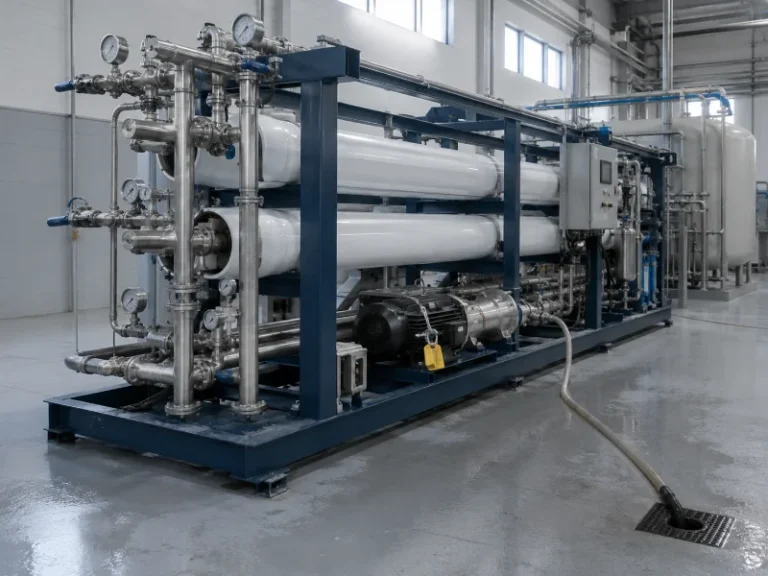
How to Remove a Reverse Osmosis System: Industrial Scope, Isolation, and Element Unloading
How to remove a reverse osmosis system comes down to one variable more than any other: whether the train is coming back…
Read article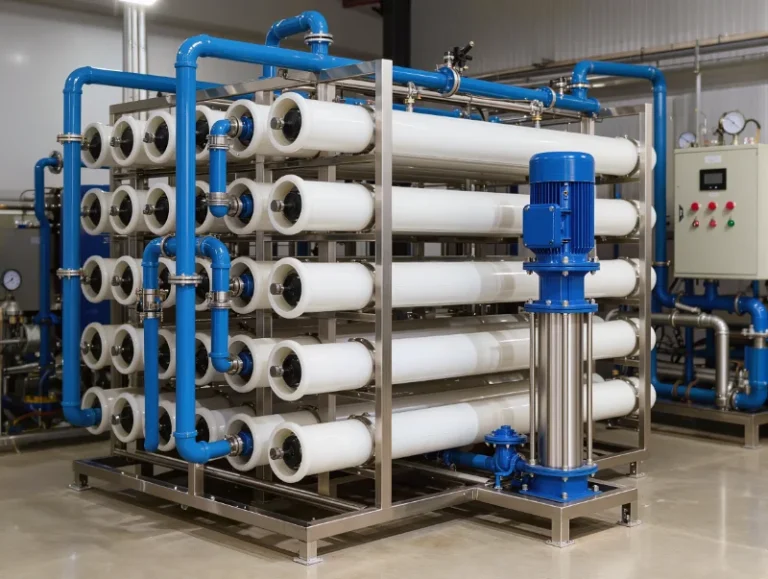
Does Reverse Osmosis Remove Fluoride? Rejection Rates, Variables, and Verification
Yes, a reverse osmosis system removes fluoride, and a well-selected RO membrane rejects most of it, commonly about 80% to 95% depending…
Read article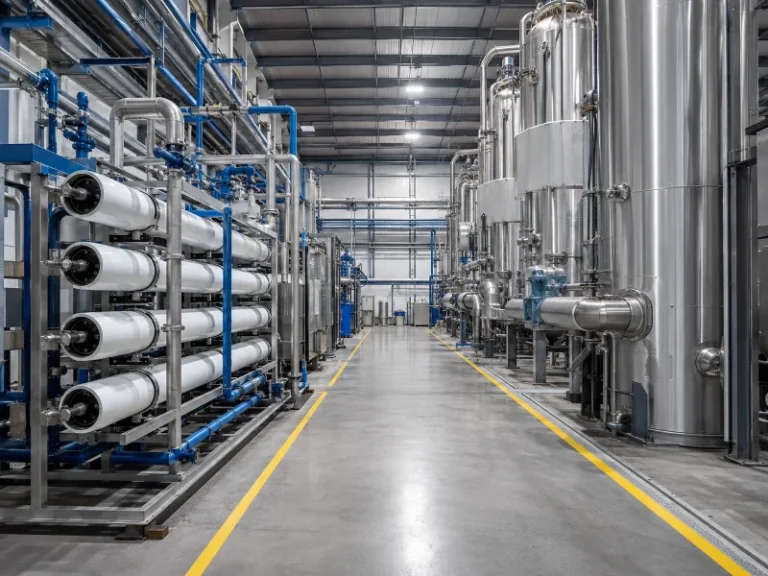
Distillation vs Reverse Osmosis: What Decides Between Them at Plant Scale
Distillation versus reverse osmosis is settled at plant scale by two questions before any other: whether the water-quality target is written as…
Read article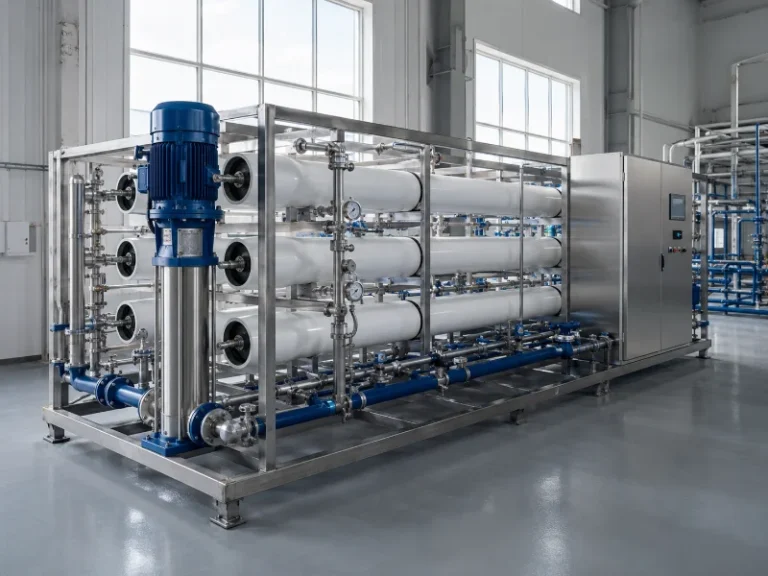
Reverse Osmosis Application: Which Water Problems It Actually Solves
A reverse osmosis application is any process whose separation objective needs broad reduction of dissolved solutes: seawater and brackish desalination, boiler and…
Read article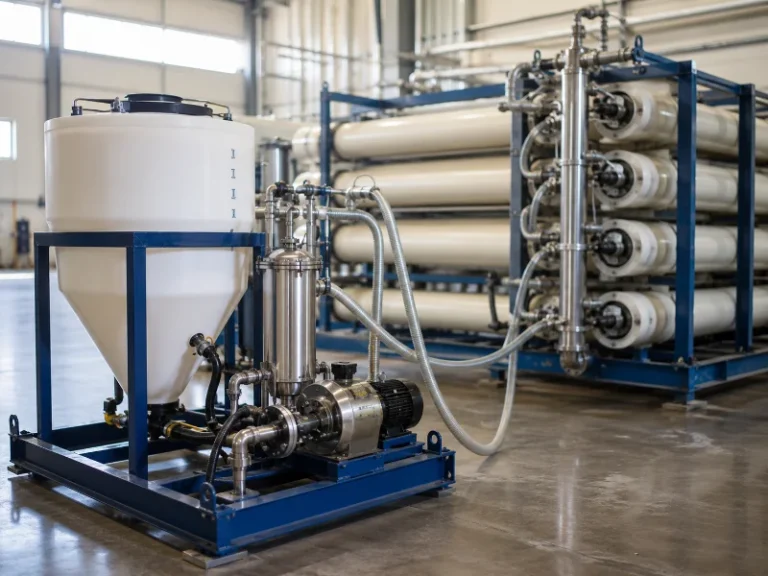
Industrial Reverse Osmosis Cleaning
Industrial reverse osmosis cleaning is triggered by normalized data rather than a calendar: clean when normalized permeate flow falls about 10%, normalized…
Read article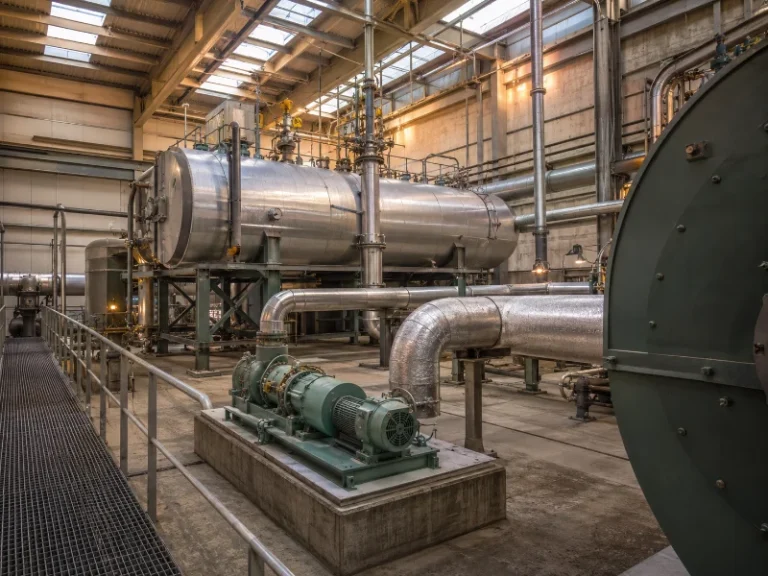
Does RO Water Remove Minerals?
RO water does remove minerals. An RO membrane rejects dissolved ions by charge and size, so calcium, magnesium and sulfate leave with…
Read article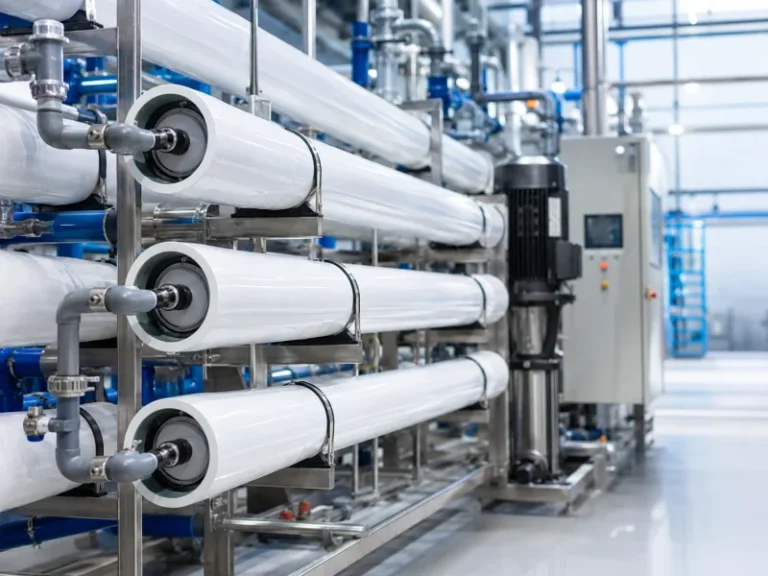
Osmosis and Reverse Osmosis: Definition, Direction, and How They Differ
Osmosis and reverse osmosis are opposite processes. Both use a semi-permeable membrane, but reverse osmosis drives water the opposite way under pressure.…
Read article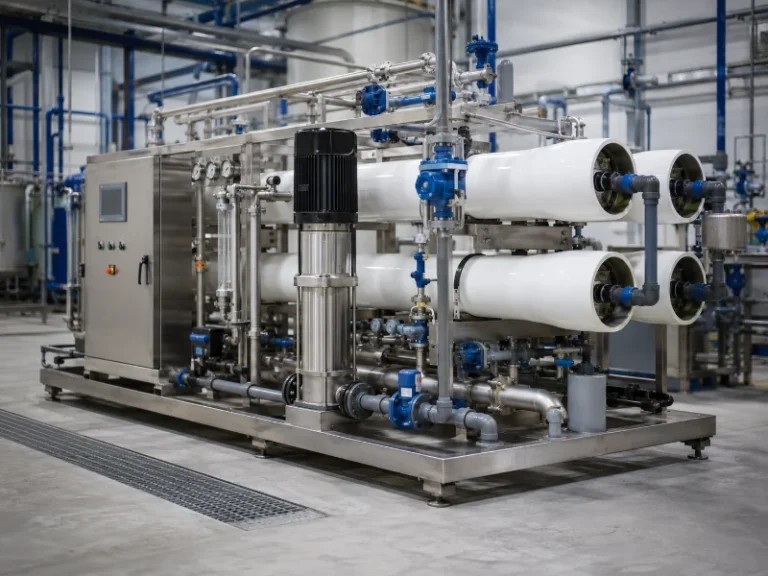
How to Install an RO System for Commercial and Industrial Sites
Installing a commercial or industrial reverse osmosis (RO) system is an engineering commissioning task, not a plumbing job. That difference decides whether…
Read article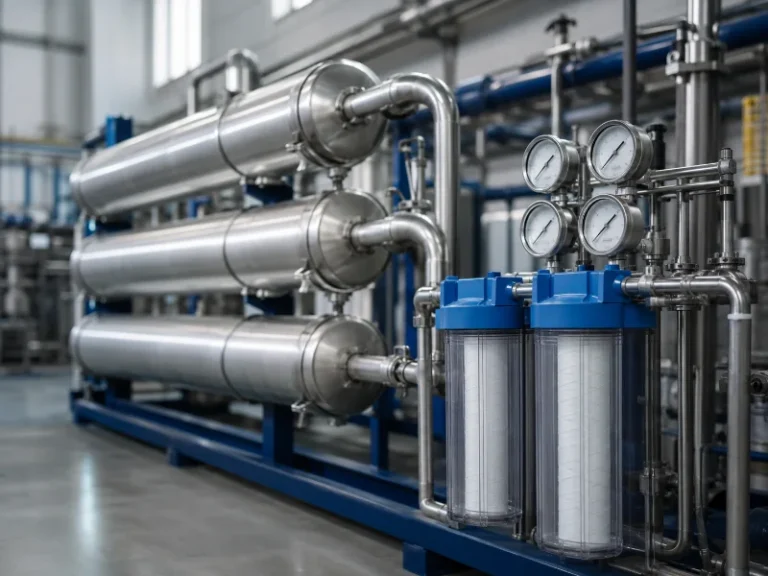
How Long Do Reverse Osmosis Filters Last? Intervals, Variables, and the Signals That Override Them
How long reverse osmosis filters last depends on the stage: 6 to 12 months for sediment and carbon pre-filters, about a year…
Read article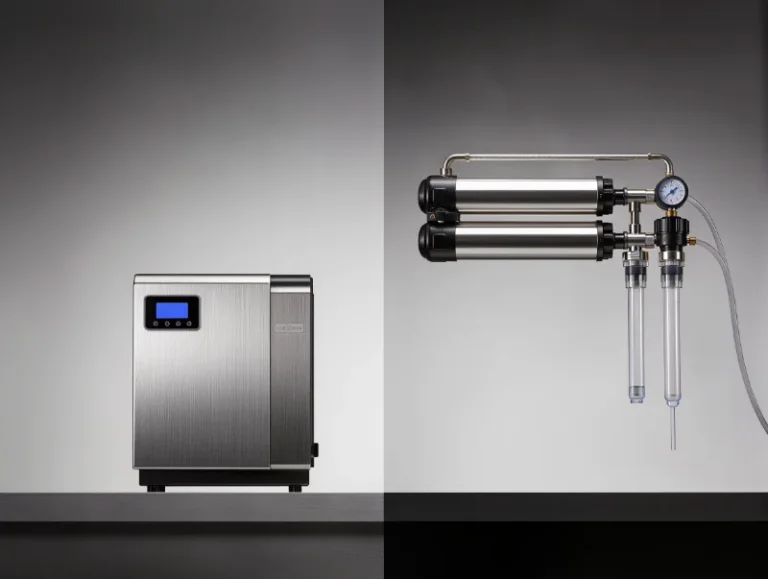
Water Ionizer vs Reverse Osmosis: What Each System Actually Does
Water ionizer vs reverse osmosis is usually framed as a choice between two competing products. That framing is why so many buyers…
Read article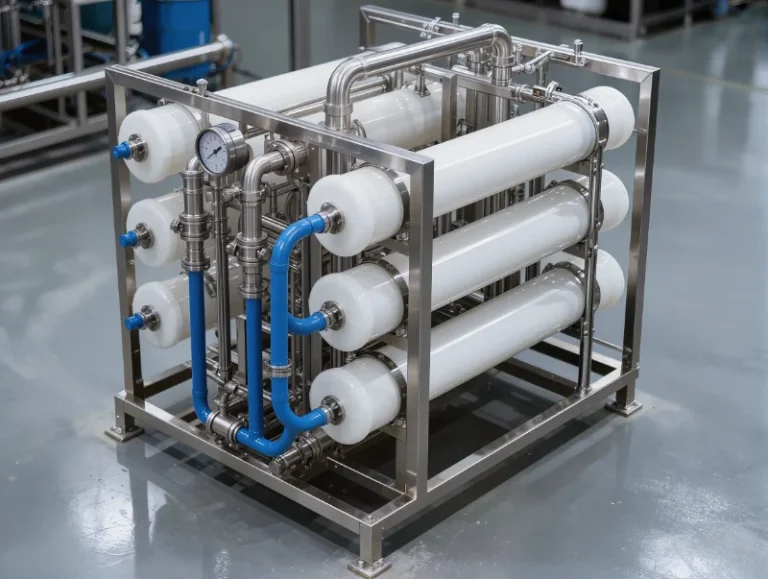
How Much Water Do RO Systems Waste?
Most point-of-use reverse osmosis systems send five or more gallons of water to the drain for every gallon they purify. Inefficient units…
Read article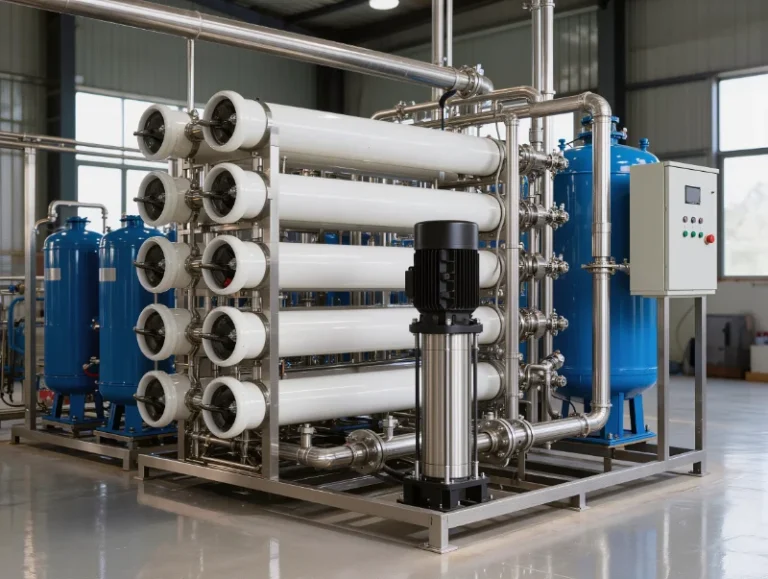
Industrial Reverse Osmosis System Components: Pretreatment, Membranes, Pumps, and Source-Water Selection
An industrial reverse osmosis system is built from four groups of components: pretreatment, core separation, post-treatment and storage, and instrumentation and controls.…
Read article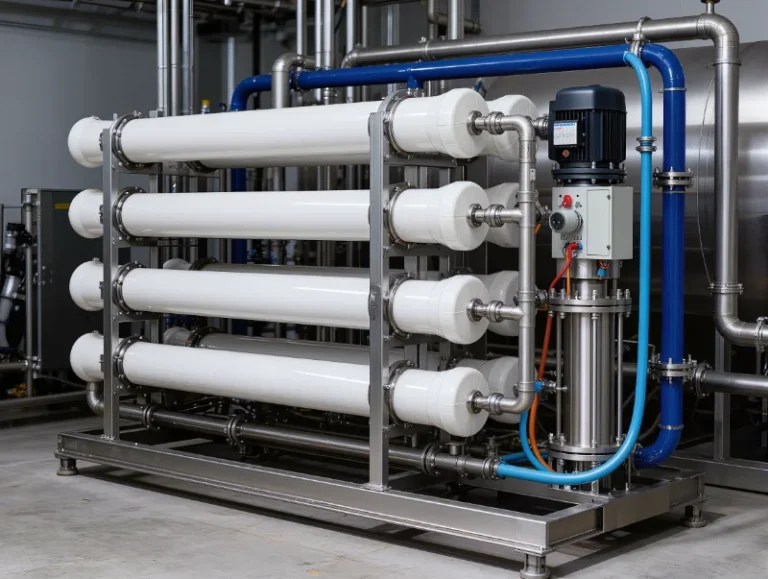
Industrial Reverse Osmosis Pros and Cons: A Buyer’s Decision Guide
Reverse osmosis (RO) is a pressure-driven membrane process that reduces dissolved salts and a wide range of dissolved contaminants from a feed…
Read article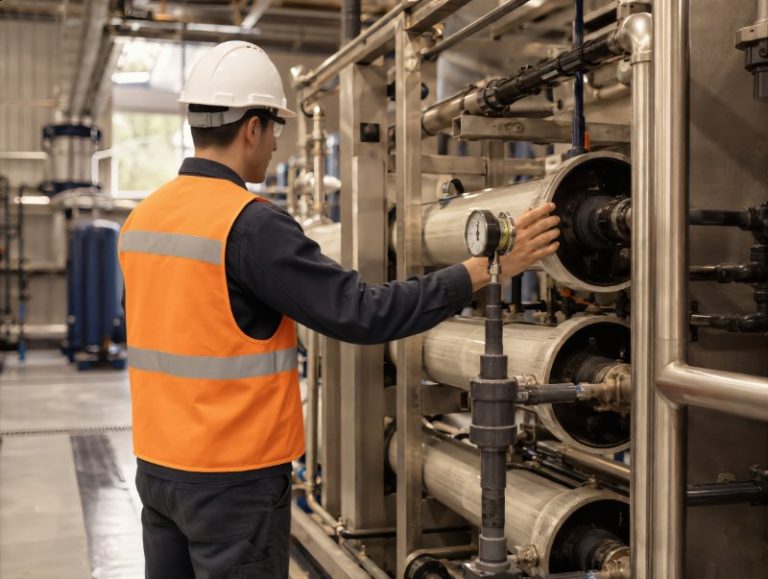
Reverse Osmosis System Problems in Industrial RO Plants
Industrial reverse osmosis systems fail in a narrower set of ways than most operators expect. Each failure mode points to a specific…
Read article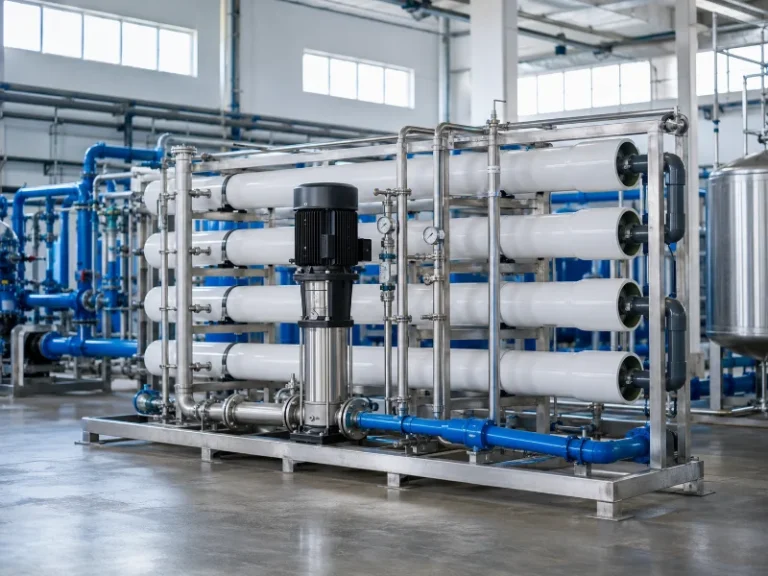
Types of Reverse Osmosis Systems: Classifications, Configurations, and How to Choose
Reverse osmosis (RO) is a pressure-driven process that forces water through a semi-permeable membrane, leaving dissolved salts and many contaminants behind in…
Read article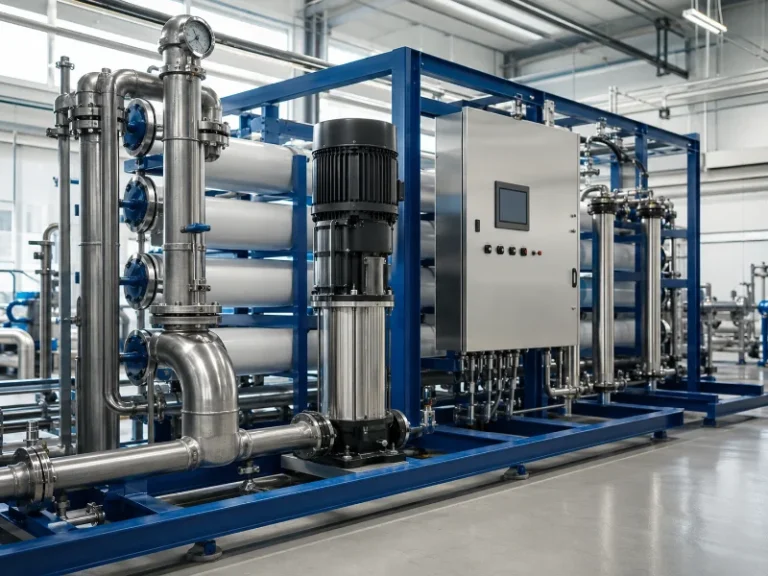
Membrane Fouling and Energy Consumption in High-Pressure RO Systems
Energy is one of the largest ongoing operating costs in most high-pressure reverse osmosis (RO) systems. Membrane fouling is the factor that…
Read article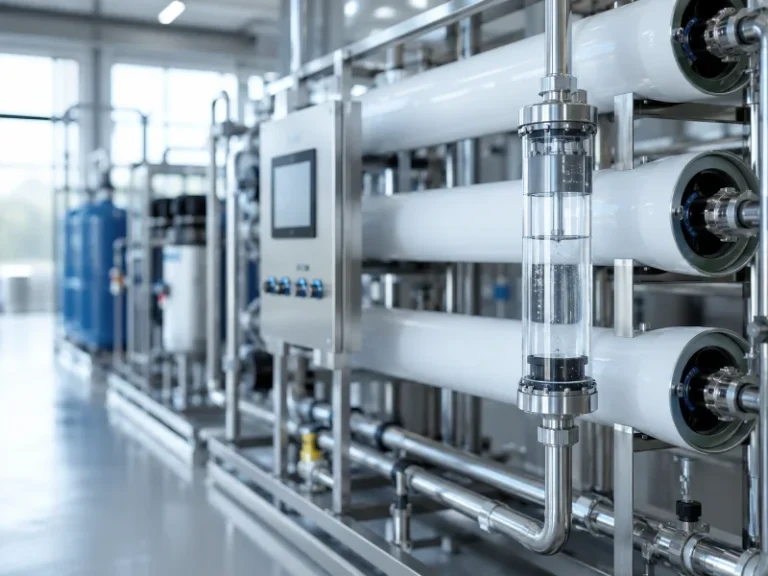
Does Reverse Osmosis Remove Nanoplastics?
Yes, reverse osmosis can remove nanoplastics from drinking water when the membrane, seals, and downstream parts are intact. But no certification mark…
Read article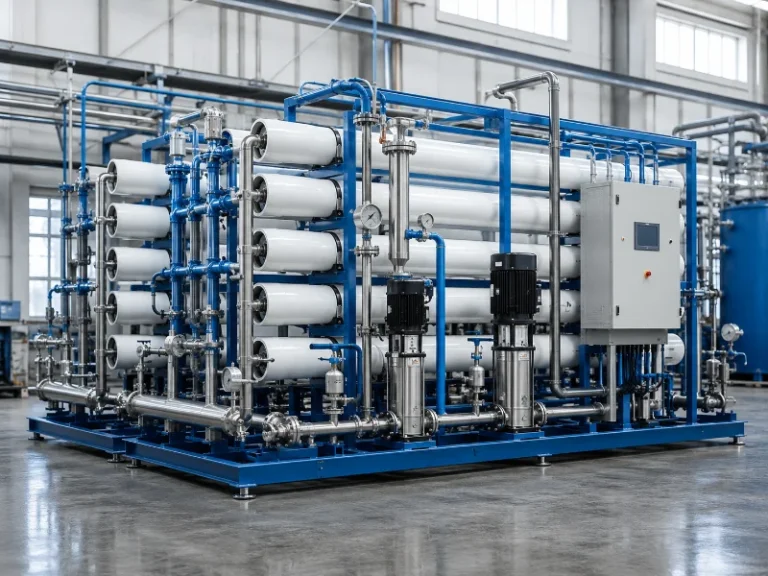
Industrial Reverse Osmosis System Price: Cost Drivers and How to Compare Quotes
An industrial reverse osmosis system usually runs from around $15,000 for smaller configured skids (up to ~10,000 GPD) to $100,000–$300,000 for mid-scale…
Read article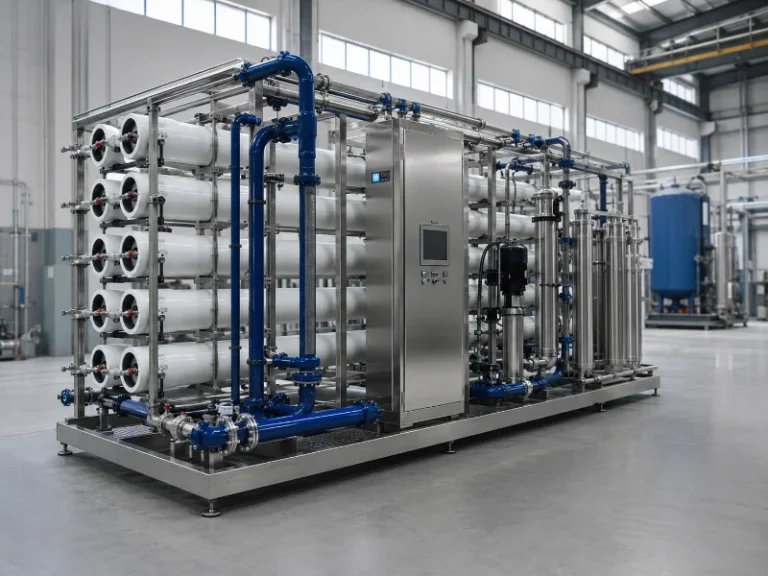
Reverse Osmosis Water Filter for Microplastics: Removal, Limits, and Verification
A reverse osmosis water filter for microplastics removes them by physical size exclusion. The membrane blocks particles thousands of times larger than…
Read article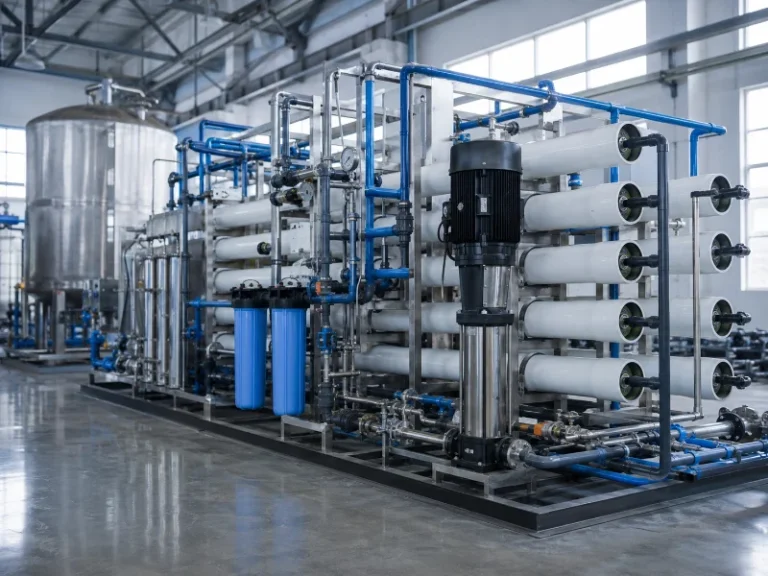
How Reverse Osmosis Works: Pressure, Membrane Separation, and Recovery Rate
Reverse osmosis works by forcing water through a semi-permeable membrane under pressure. The membrane blocks dissolved salts, organics, and most other contaminants.…
Read article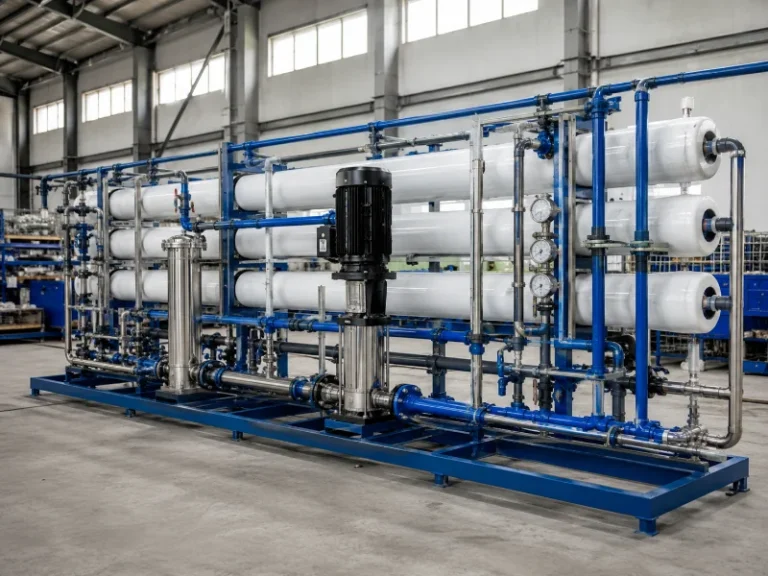
What Is Reverse Osmosis?
Reverse osmosis is a pressure-driven process that forces feed water through a semi-permeable membrane. The membrane separates water molecules from dissolved salts,…
Read article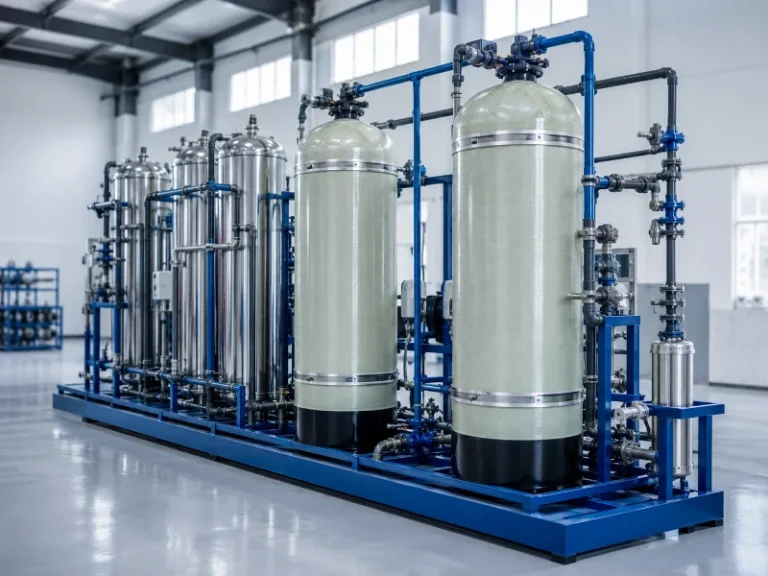
What Is the Difference Between a Cation and an Anion?
A cation is a positively charged ion and an anion is a negatively charged ion. The difference comes down to electrons: an…
Read article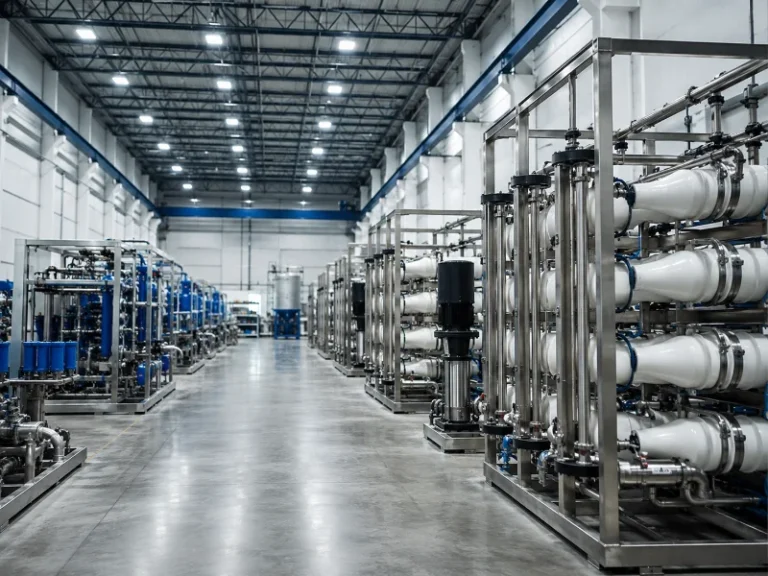
Choosing a Water Treatment Equipment Supplier: Standards, Source Water, and Factory Verification
The right water treatment equipment supplier can specify, build, and document a system around your actual source water. A reseller only ships…
Read article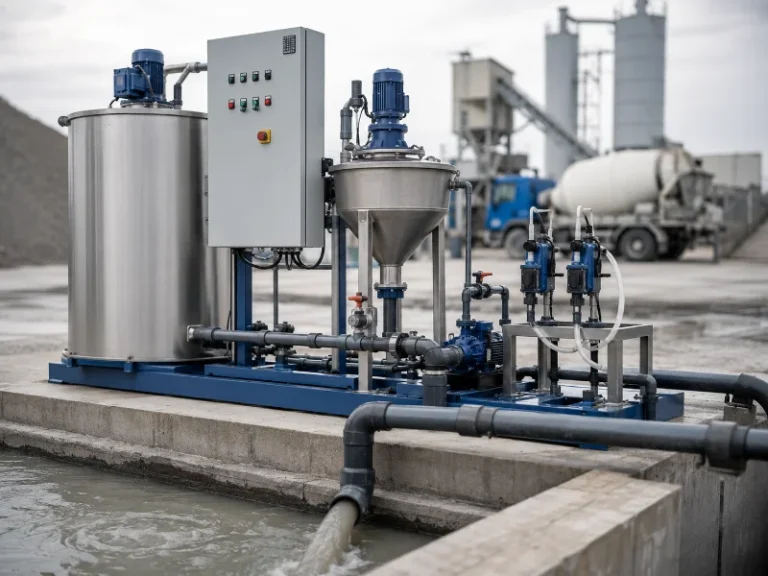
Concrete Wastewater Treatment: Methods, Equipment Selection, and Discharge Compliance
Concrete wastewater treatment removes suspended cement solids and lowers the high alkalinity in washout, slurry, and process water. The goal is a…
Read article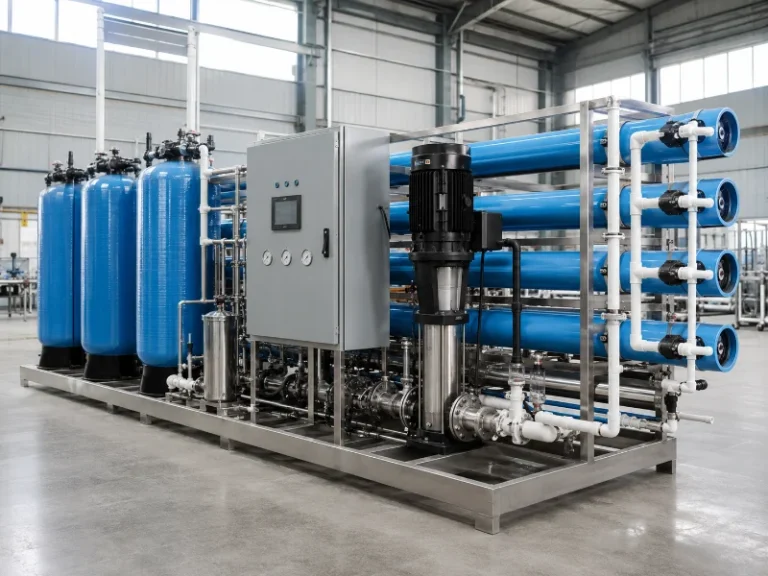
How Much Does a New Water Treatment System Cost?
A new water treatment system costs anywhere from a few hundred dollars for a point-of-use filter to several million for a high-capacity…
Read article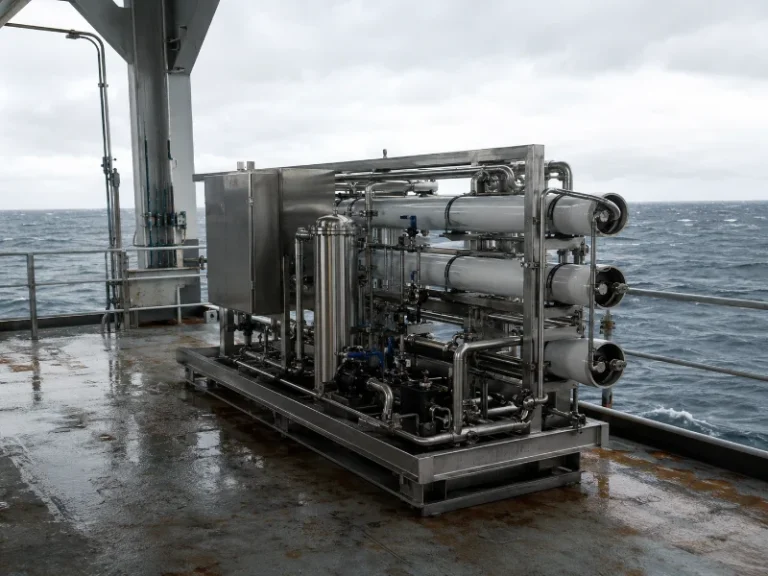
What Is the Lifespan of an Offshore Water Treatment System?
The lifespan of an offshore water treatment system is rarely a single number—it is a long-term capital decision, and buyers reasonably want…
Read article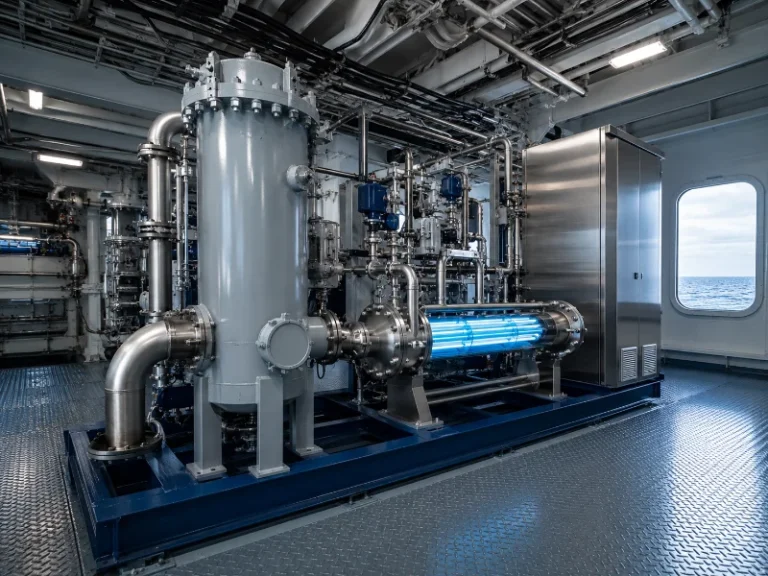
Ballast Water Treatment System for Ships: IMO/USCG Approval, Technologies, and Selection
A ballast water treatment system (BWTS) removes or inactivates the living organisms a ship takes on board when it loads ballast water…
Read article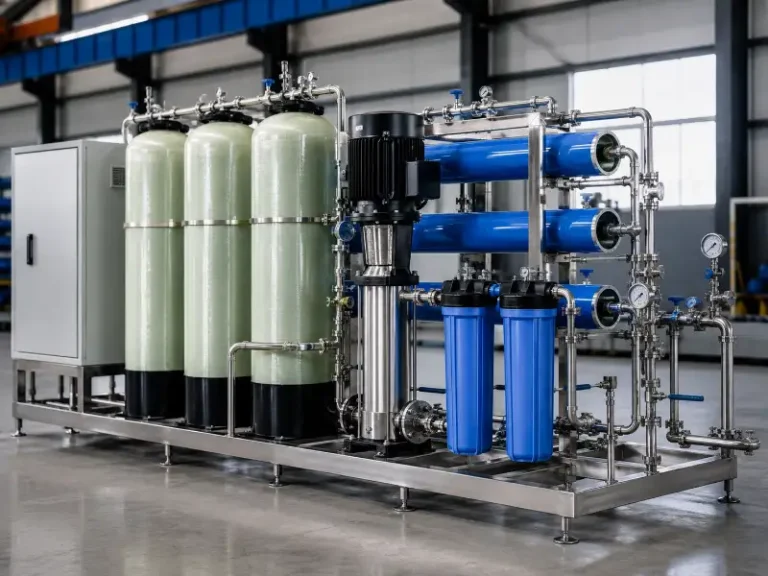
Water Treatment System Components: Matching Each Part to Your Source Water
Water treatment system components are the individual units that combine into one treatment train—filters, membranes, pumps, dosing systems, valves, and controls. The…
Read article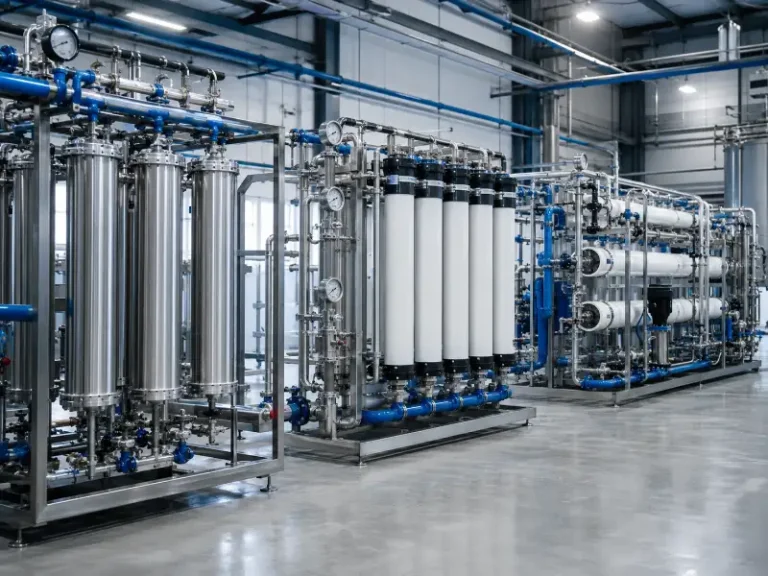
The 4 Membrane Filtration Methods in Water Treatment: MF, UF, NF, and RO Compared
The four membrane filtration methods used in most water treatment projects are microfiltration (MF), ultrafiltration (UF), nanofiltration (NF), and reverse osmosis (RO).…
Read article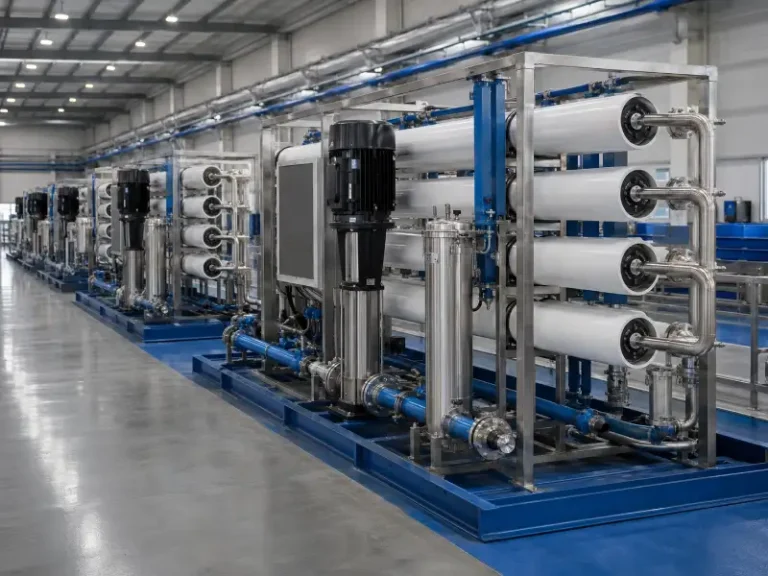
WTP vs WWTP: Key Differences Between Water and Wastewater Treatment Plants
WTP and WWTP sit at opposite ends of the same water cycle. The two acronyms differ by a single letter, so buyers…
Read article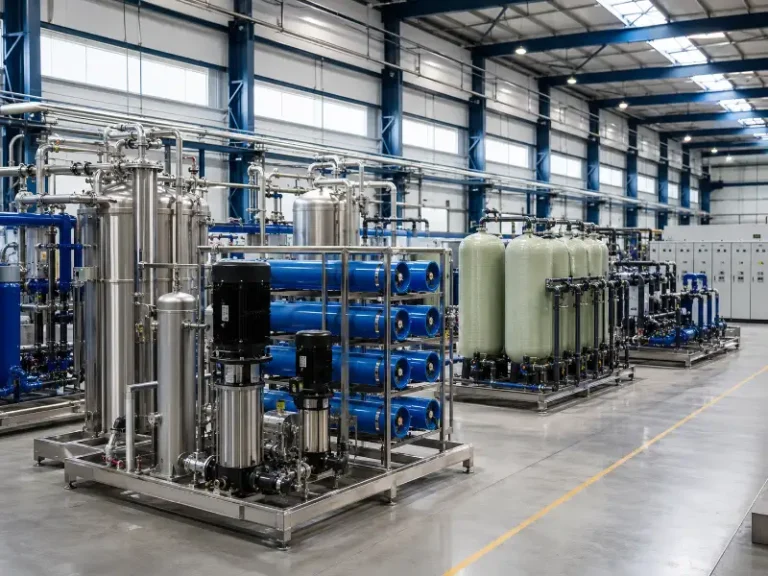
Types of Water Treatment Plants and How to Choose the Right System
The right type of water treatment plant depends on three inputs: the source water you start with, the quality the treated water…
Read article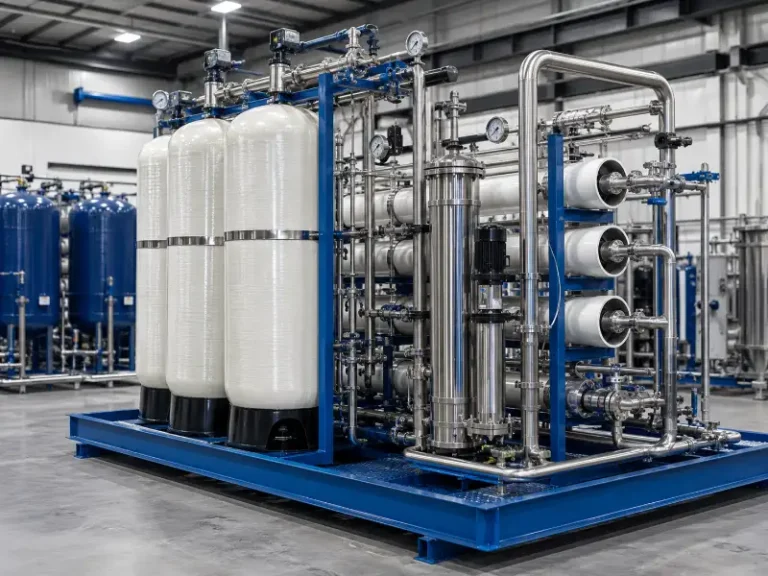
What Is Water Treatment? Methods, Stages, and Applications
Water treatment is the controlled process of adjusting water quality to meet the needs of a specific end use. That use might…
Read article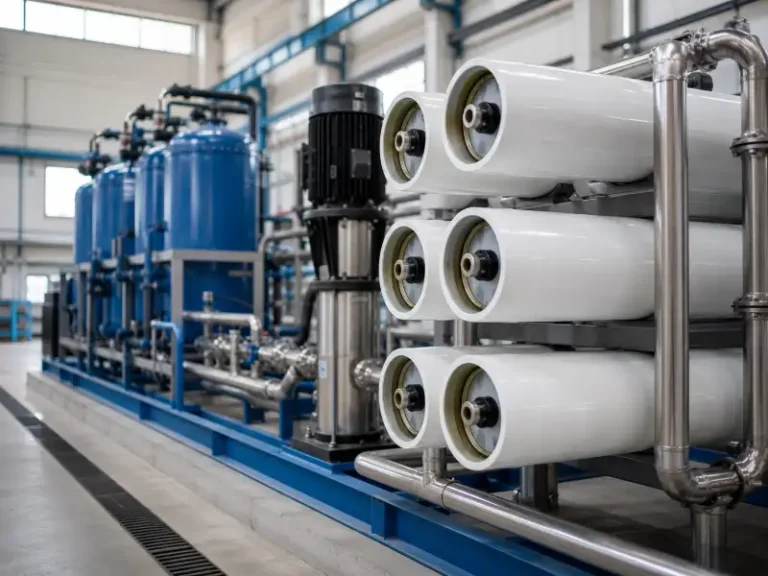
Different Types of Water Treatment: Matching Method to Source Water
Water treatment covers five method types: physical, chemical, biological, membrane, and disinfection. The right type for a project depends on two things:…
Read article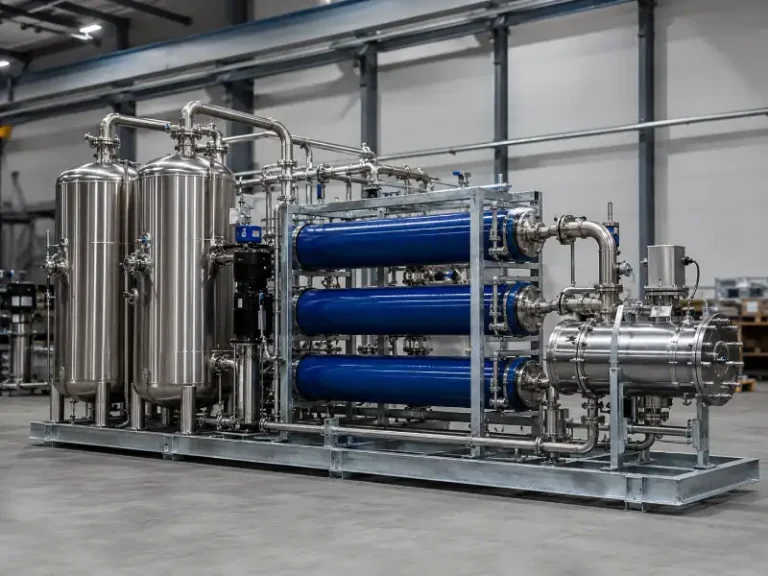
Primary, Secondary, and Tertiary Water Treatment: How the Three Stages Differ and What Each One Requires
Primary, secondary, and tertiary water treatment describe three escalating levels of contaminant removal. These stages appear mainly in municipal sewage, industrial effluent,…
Read article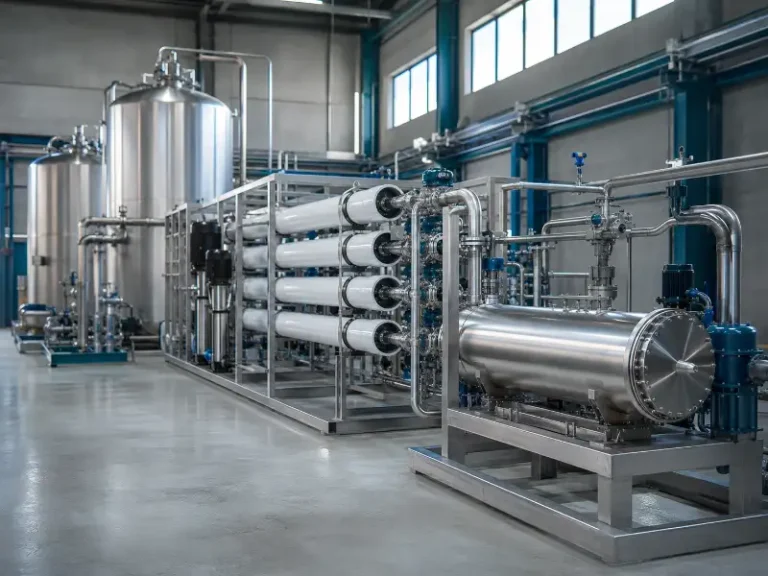
What Is Tertiary Wastewater Treatment? Methods, Standards, and System Selection
Tertiary wastewater treatment is the stage after secondary biological treatment that polishes effluent to meet stricter discharge or reuse targets. It removes…
Read article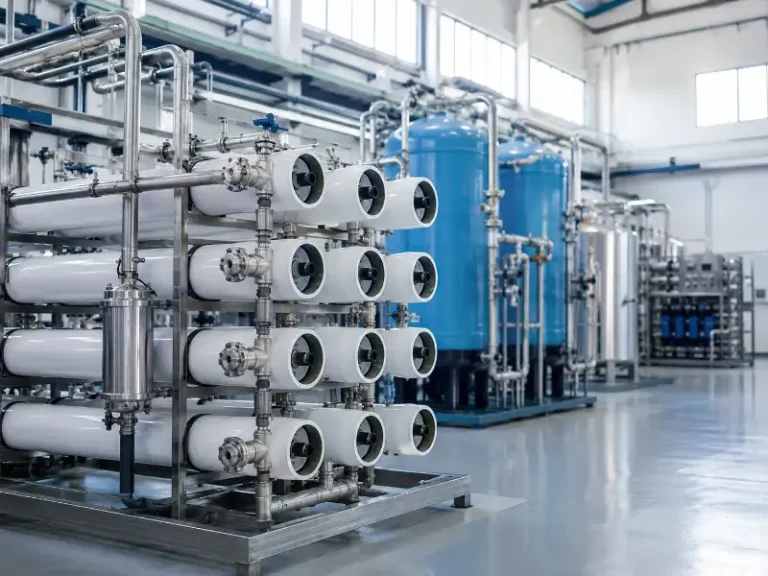
Water Treatment Methods: How to Match the Right Process to Your Source Water
Water treatment methods fall into three families: physical, chemical, and biological. Membrane separation and disinfection work across more than one of them.…
Read article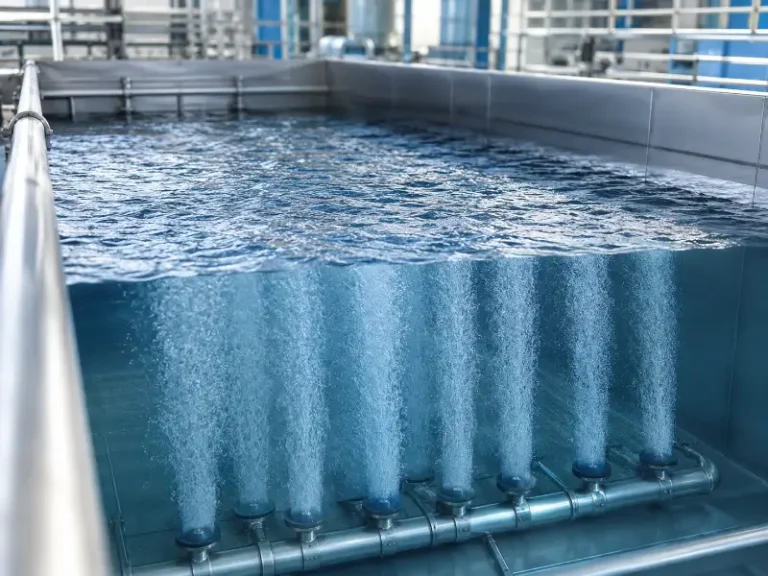
Aeration in Water Treatment: Methods, Applications, and System Selection
Aeration in water treatment adds air to water to raise dissolved oxygen and to strip or oxidize unwanted compounds. How much it…
Read article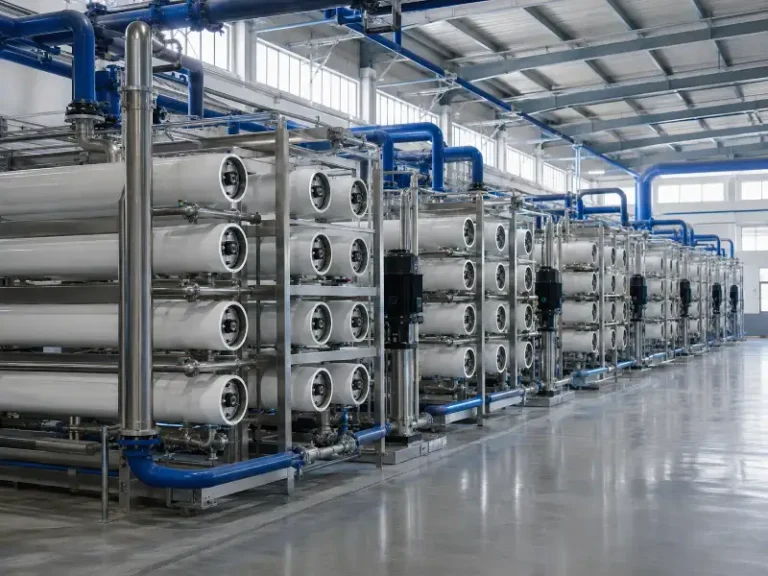
Water Treatment Technology: Matching the Right Process to Your Source Water
Water treatment technology is not one machine but a sequence of physical, chemical, and biological steps, chosen to match a given source…
Read article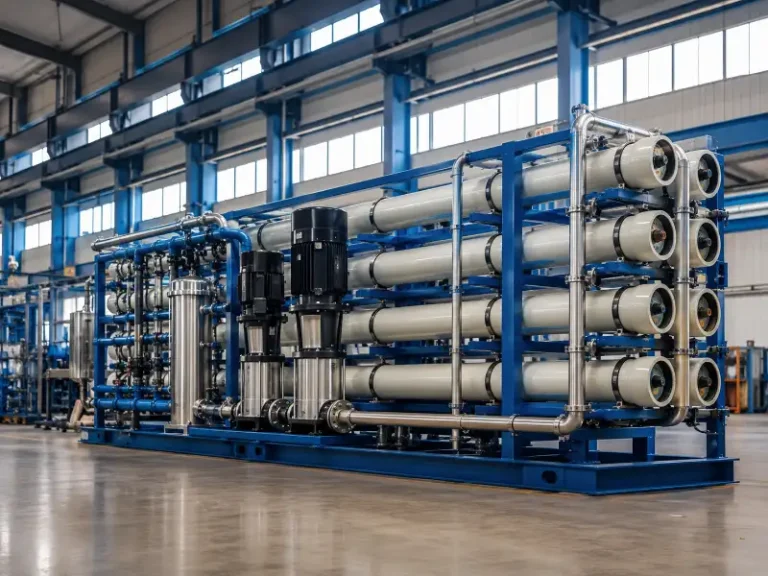
Membrane Technology for Water Treatment: How to Choose MF, UF, NF, or RO Based on Source Water
Membrane technology for water treatment is a family of pressure-driven processes — microfiltration, ultrafiltration, nanofiltration, and reverse osmosis — that remove contaminants…
Read article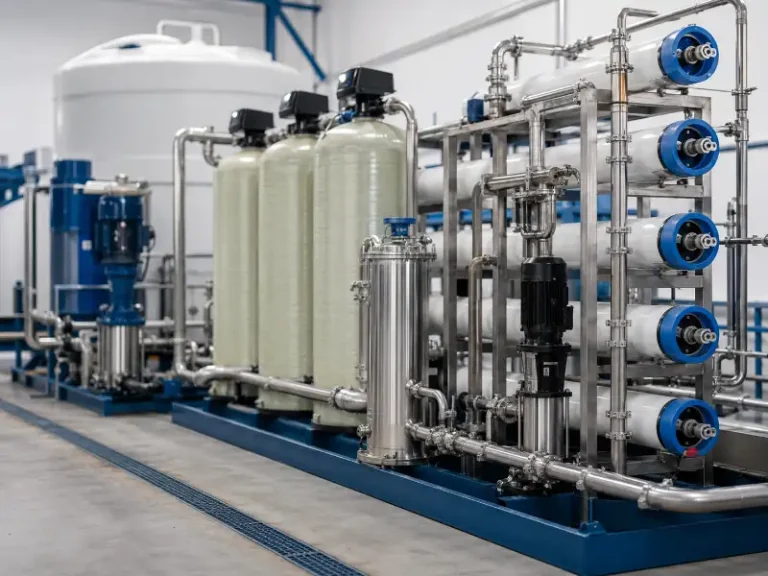
Industrial Pure Water Process: Stages, Key Technologies, and Specification Variables
An industrial pure water process removes suspended solids, dissolved salts, organic compounds, and microorganisms from raw water through multiple treatment stages. Each…
Read article